



November 27, 2026
**Exploring the Psychedelic Depths of The Doors’ *Strange Days***
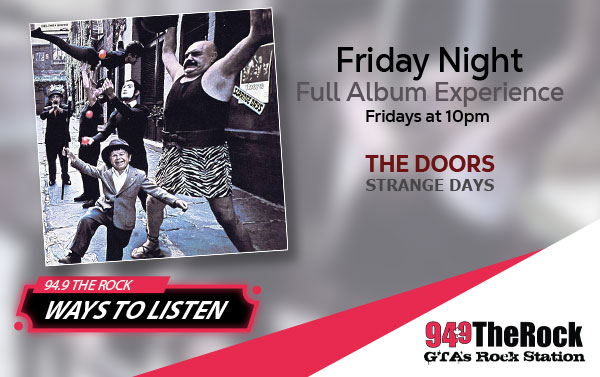
When The Doors released their sophomore album *Strange Days* in September 1967, they not only solidified their place in the pantheon of rock legends but also pushed the boundaries of psychedelic music and lyrical exploration. Building on the raw, electrifying energy of their debut, *Strange Days* dives deeper into surrealism, mysticism, and the darker corners of the human psyche.
### A Psychedelic Journey Through Sound and Vision
Produced by Paul A. Rothchild and recorded at Sunset Sound Recorders in Los Angeles, *Strange Days* captures a band at the peak of their creative powers. The album is a kaleidoscopic blend of blues, rock, and avant-garde experimentation, enhanced by the eerie keyboard work of Ray Manzarek and the hypnotic rhythms laid down by drummer John Densmore and bassist (and session musician) Jerry Scheff.
The opening title track, “Strange Days,” immediately sets the tone with its swirling Mellotron sounds—a relatively new instrument at the time—creating an otherworldly atmosphere that perfectly complements Jim Morrison’s haunting vocals. The lyrics evoke a sense of alienation and existential wonder, themes that resonate throughout the album.
### Iconic Tracks and Lyrical Depth
One of the standout songs, “People Are Strange,” became an anthem for outsiders and misfits. Morrison’s poetic lyrics, paired with Manzarek’s eerie keyboard riffs, explore feelings of isolation and the distorted perception of reality when one feels disconnected from society.
“I Can’t See Your Face in My Mind” showcases the band’s ability to blend melancholy with hypnotic rhythms, while “Love Me Two Times” brings a more upbeat, bluesy groove, highlighting the band’s versatility.
Perhaps the most ambitious track is “When the Music’s Over,” an epic nearly 12 minutes long that takes listeners on a sonic odyssey. The song’s shifting moods and extended instrumental passages reflect the chaotic and transformative spirit of the late 1960s.
### Cultural Impact and Legacy
*Strange Days* arrived during a tumultuous era marked by social upheaval, the rise of counterculture, and the expanding horizons of rock music. The Doors, with their enigmatic frontman Jim Morrison, became symbols of rebellion and artistic freedom.
While the album didn’t achieve the commercial success of their debut, it has since been recognized as a masterpiece that captures the essence of psychedelic rock. Its influence can be heard in countless artists who followed, and its themes of alienation, mysticism, and the search for meaning continue to resonate with new generations.
### Conclusion
*Strange Days* stands as a testament to The Doors’ innovative spirit and their ability to channel the zeitgeist of the 1960s into music that is both timeless and haunting. It’s an album that invites listeners to step beyond the ordinary and experience the strange, beautiful complexities of the human condition. Whether you’re a longtime fan or a newcomer, *Strange Days* remains a compelling journey into the heart of psychedelic rock.